
In air conditioning systems, both airflow and refrigerant charge play crucial roles in maintaining effective cooling and overall comfort. When either of these components is compromised, the system’s performance suffers, leading to discomfort and potential equipment damage. Understanding the differences between airflow issues and refrigerant undercharge helps in diagnosing problems accurately and ensuring optimal operation.
Airflow refers to the movement of air across the evaporator coil inside an air conditioning unit. Proper airflow is essential because it allows heat exchange between indoor air and the refrigerant circulating within the system. If there is inadequate airflow due to dirty filters, blocked vents, or malfunctioning fans, explore the offerings evaporator coil cannot absorb enough heat from the indoor environment. This results in insufficient cooling output despite normal refrigerant levels. Reduced airflow often causes uneven temperature distribution throughout a space, making some areas feel warmer than others. Additionally, low airflow can lead to freezing on the evaporator coil since warm air passing over it is limited.
On the other hand, refrigerant undercharge means that there is less refrigerant than required in the system for efficient heat transfer. Refrigerants absorb heat from indoor air at low pressure and release it outside at high pressure during condensation. When undercharged, there isn’t enough refrigerant circulating through coils to absorb sufficient heat indoors or reject it outdoors effectively. This condition lowers cooling capacity significantly because even with proper airflow, insufficient refrigerant limits how much thermal energy can be moved out of living spaces. Undercharging also increases compressor stress as it attempts to compensate for reduced cooling efficiency by running longer cycles or working harder.
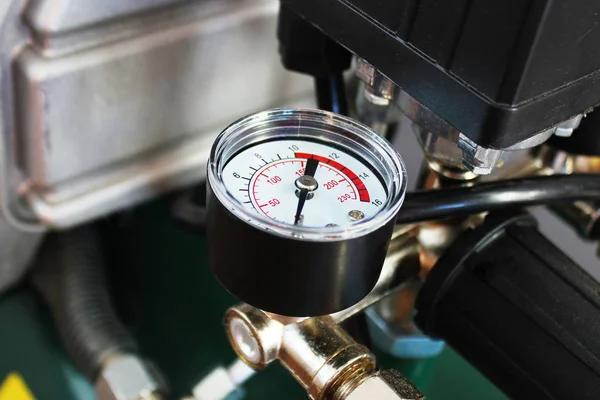
While both conditions reduce cooling effectiveness, their symptoms differ slightly in nature and cause distinct operational challenges. Airflow problems primarily affect temperature uniformity inside rooms along with potential coil icing issues due to stagnant cold surfaces without adequate warm air flow over them. Refrigerant undercharge typically manifests as lower pressures within system gauges accompanied by diminished total cooling power regardless of fan speed settings or filter cleanliness.
From a maintenance perspective addressing these issues requires different approaches: fixing restricted or poor-quality ductwork improves airflow whereas locating leaks or adding precise amounts of refrigerant resolves undercharging concerns safely without risking environmental harm.
In summary, maintaining balanced airflow combined with correct refrigerant levels ensures that an HVAC system operates efficiently while providing consistent comfort indoors. Ignoring either factor leads not only to reduced user satisfaction but also accelerates wear on vital components like compressors and coils-potentially resulting in costly repairs down the line if not addressed promptly by qualified technicians familiar with these nuances between mechanical deficiencies affecting cooling performance today’s modern systems face regularly.
